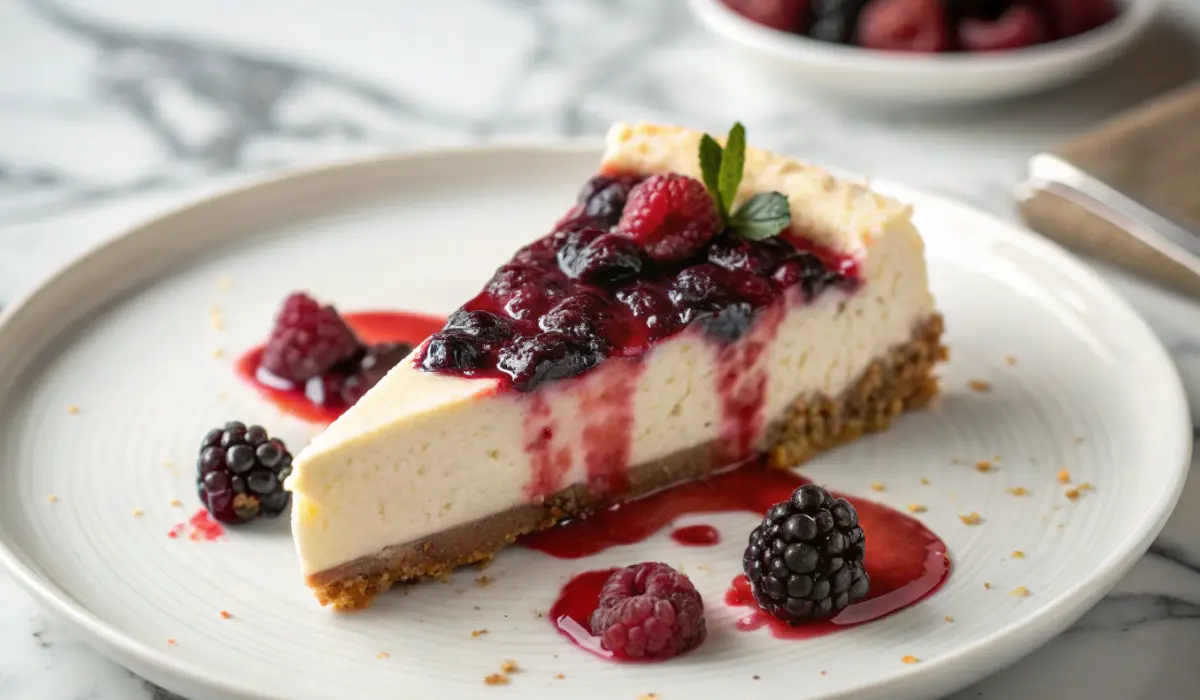
Sugar-Free Healthy Cheesecake: Your Guide to a Low-Carb Treat
Cheesecake – a dessert synonymous with indulgence, rich creaminess, and often, a hefty dose of sugar and carbs. But what if we told you that you could enjoy this beloved treat without the guilt, without compromising your health goals, and without sacrificing flavor? Enter the world of sugar-free healthy cheesecake, a delightful innovation that allows you to satisfy your sweet cravings while adhering to a low-carb, keto-friendly, or simply healthier lifestyle. Crafting a truly delicious and **healthy cheesecake recipe** isn't just about swapping ingredients; it's about understanding the science of sugar substitutes, alternative flours, and smart baking techniques. This comprehensive guide will arm you with the knowledge and tips you need to create a decadent, guilt-free dessert that everyone will love.
Why Choose a Sugar-Free Healthy Cheesecake? Benefits Beyond the Bite
Opting for a sugar-free and low-carb cheesecake goes far beyond simply cutting calories. It's a conscious choice that brings a multitude of health benefits, making it an ideal dessert for a wide range of dietary needs and preferences.
*
Blood Sugar Management: For individuals managing diabetes or looking to stabilize their blood sugar levels, traditional cheesecakes are often off-limits due to their high sugar content. A sugar-free version, using appropriate sweeteners, allows you to enjoy dessert without the sharp spikes and crashes.
*
Weight Management: By reducing both sugar and net carbs, a **healthy cheesecake recipe** can fit seamlessly into a weight loss or maintenance plan. Eliminating refined sugar helps reduce empty calories and can prevent cravings for more sugary foods.
*
Keto and Low-Carb Friendly: For those following ketogenic or other low-carb diets, this dessert is a game-changer. It provides a rich, satisfying option that aligns with strict macronutrient goals, proving that delicious desserts are still on the menu.
*
Reduced Inflammation: High sugar intake is linked to increased inflammation in the body. By eliminating sugar, you're taking a step towards reducing systemic inflammation and promoting overall well-being.
*
Gut Health: Some sugar substitutes, particularly sugar alcohols like erythritol, are not fully digested, which can contribute to a healthier gut microbiome for some individuals. However, moderation is key, as excessive amounts can cause digestive upset.
Ultimately, choosing a sugar-free healthy cheesecake means enjoying the pleasure of dessert without the metabolic drawbacks, making it a truly smart indulgence.
Mastering the Low-Carb Crust: Foundation for a Healthy Cheesecake Recipe
The crust is often where a traditional cheesecake packs a significant carb punch. Graham crackers, while delicious, are high in refined carbohydrates and sugar. The secret to a low-carb, **healthy cheesecake recipe** lies in innovative crust alternatives that provide texture and flavor without the unwanted ingredients.
*
Almond Flour Power: Almond flour is the reigning champion for low-carb baking. Its fine texture and mild, nutty flavor make it an excellent substitute for traditional flours.
*
Basic Almond Flour Crust: Combine 1 ½ cups of finely ground almond flour with ¼ cup of melted unsalted butter (or coconut oil for dairy-free) and 2-3 tablespoons of your preferred sugar substitute (erythritol or monk fruit blend works well). A pinch of salt and ½ teaspoon of vanilla extract can enhance the flavor.
*
Coconut Flour for Texture: While almond flour is a staple, a small amount of coconut flour can be added for a different texture and added fiber. Be mindful, as coconut flour is very absorbent, so use sparingly (e.g., replace ¼ cup of almond flour with 2 tablespoons of coconut flour).
*
Nut and Seed Blends: For a more complex flavor and texture, consider a blend of finely ground pecans, walnuts, or even sunflower seeds. These add healthy fats and unique earthy notes.
*
Flavor Enhancements:
*
Cinnamon: A teaspoon of ground cinnamon adds warmth and spice.
*
Cocoa Powder: For a chocolatey crust, add 2 tablespoons of unsweetened cocoa powder.
*
Lemon Zest: A touch of lemon zest can brighten the flavor, especially for fruit-topped cheesecakes.
*
Pressing and Pre-baking Tips:
* Press the mixture firmly into the bottom of a springform pan. Use the back of a spoon or your knuckles.
* Pre-bake the crust for 8-10 minutes at 350°F (175°C) to make it firm and slightly golden before adding the filling. This prevents a soggy bottom and enhances the nutty flavor.
By choosing and preparing your crust thoughtfully, you lay the perfect low-carb foundation for your healthy cheesecake.
Sweetening Your Healthy Cheesecake: The Sugar-Free Solution
The cornerstone of any sugar-free dessert is, naturally, the sweetener. Navigating the world of sugar substitutes can be daunting, but understanding their properties is crucial for achieving the perfect taste and texture in your **healthy cheesecake recipe**.
*
Erythritol: This sugar alcohol is very popular in low-carb baking. It has about 70% of the sweetness of sugar, virtually no calories, and doesn't raise blood sugar. It can sometimes have a cooling sensation in the mouth, which some people enjoy. Brands like Swerve and Lakanto often combine erythritol with other sweeteners.
*
Monk Fruit Sweetener: Derived from monk fruit, this natural sweetener is calorie-free and significantly sweeter than sugar, so a little goes a long way. It doesn't have the cooling effect of erythritol and is often blended with erythritol to provide bulk and a more balanced sweetness.
*
Stevia: Another natural, calorie-free sweetener derived from the stevia plant. Like monk fruit, it's intensely sweet and best used in small amounts or in a blend. Some people detect a slight aftertaste with stevia.
*
Allulose: A "rare sugar" that has about 70% the sweetness of sugar but with very few calories and carbs. Allulose browns like sugar and can contribute to a softer texture, making it excellent for baking. It does not have an aftertaste.
*
Xylitol (Use with Caution): Also a sugar alcohol, xylitol has a similar sweetness and bulk to sugar. However, it is highly toxic to dogs, even in small amounts, so if you have pets, it's best to avoid using it in your kitchen.
*
Combining Sweeteners: Often, the best results come from using a blend of sweeteners. For instance, a mix of erythritol and monk fruit extract can balance sweetness, reduce any potential aftertaste, and provide a bulk similar to sugar. Look for baking blends specifically designed for a 1:1 sugar replacement.
*
Measurement is Key: Always refer to the specific sweetener's conversion chart, as their sweetness levels vary widely. Over-sweetening can lead to an artificial taste, while under-sweetening will leave your cheesecake bland.
Experiment with different blends to find what works best for your palate, ensuring your healthy cheesecake is perfectly sweet without any sugar.
Crafting the Creamy Filling: Tips for a Healthier Cheesecake Recipe
The filling is the heart of any cheesecake, and transforming it into a healthier, low-carb version involves careful selection of dairy and other key ingredients, ensuring that iconic creamy texture and rich flavor remain intact.
*
Cream Cheese Choice:
*
Full-Fat Cream Cheese: For a truly decadent, keto-friendly, and ultra-creamy texture, full-fat cream cheese is generally recommended. It provides the richness that often makes a **healthy cheesecake recipe** taste so indulgent.
*
Neufchâtel Cheese: This is a lighter alternative to full-fat cream cheese, with about one-third less fat. It can be a good option if you're aiming to reduce fat slightly without sacrificing too much creaminess.
*
Dairy-Free Options: For those with dairy sensitivities, several brands offer excellent almond, cashew, or coconut-based cream cheese alternatives that work well in cheesecake.
*
Sour Cream or Greek Yogurt for Tang: A crucial ingredient for balance!
*
Full-Fat Sour Cream: Adds a delightful tang and contributes to a smooth, velvety texture.
*
Full-Fat Greek Yogurt: An excellent option that adds a similar tang and creaminess while boosting protein content. Ensure it's full-fat and unsweetened. Strain it slightly if it seems too thin.
*
Eggs as the Binder: Eggs are essential for binding the filling and providing structure. Use large eggs and ensure they are at room temperature, which helps them incorporate smoothly into the batter, preventing lumps.
*
Flavor Enhancers:
*
Vanilla Extract: Pure vanilla extract is a must for any cheesecake, adding warmth and depth of flavor.
*
Lemon Zest/Juice: A touch of fresh lemon zest or a tablespoon of lemon juice brightens the flavor and cuts through the richness.
*
Sugar-Free Extracts: Almond, coconut, or even a hint of mint extract can add exciting flavor variations.
*
Pinch of Salt: Don't forget a small pinch of salt; it enhances all the other flavors.
*
Mixing Matters:
* Ensure all cold ingredients (cream cheese, sour cream) are at room temperature. This is paramount for a smooth, lump-free batter.
* Mix the cream cheese first until perfectly smooth. Then add the sweetener, vanilla, and other flavorings.
* Incorporate eggs one at a time, mixing on low speed until just combined. Overmixing after eggs are added can incorporate too much air, leading to cracks.
*
Avoid Lumps: If your cream cheese isn't completely soft, you might end up with lumps. A food processor can help ensure a silky-smooth batter if you struggle with lumps using a stand mixer.
With these tips, your sugar-free cheesecake filling will be perfectly creamy, flavorful, and wonderfully low-carb. If you're looking for more general healthy cheesecake ideas, you might enjoy this
Easy Healthy Cheesecake Recipe: Guilt-Free Dessert Bliss for a broader range of options.
Baking and Beyond: Achieving Perfection with Your Healthy Cheesecake
Baking a cheesecake, especially a delicate low-carb version, requires a bit of finesse. The goal is a creamy, perfectly set interior without any dreaded cracks on top.
*
The Water Bath Technique: This is arguably the most crucial step for a crack-free cheesecake.
* Wrap the outside of your springform pan tightly with several layers of heavy-duty aluminum foil to prevent water from seeping in.
* Place the foil-wrapped pan into a larger roasting pan.
* Pour the cheesecake batter into the crust.
* Carefully pour hot water into the larger roasting pan, reaching about halfway up the sides of the springform pan.
* The water bath creates a moist, even heat environment, preventing the cheesecake from baking too quickly and cracking.
*
Low and Slow Baking: Bake your cheesecake at a lower temperature (typically 300-325°F or 150-160°C) for a longer duration. This gentle heat ensures even cooking without overbaking the edges before the center is set.
*
Doneness Test: The cheesecake is done when the edges are set, but the very center (about a 2-inch circle) still has a slight jiggle. It will continue to set as it cools.
*
Gradual Cooling is Key:
* Once baked, turn off the oven and prop the oven door open slightly, leaving the cheesecake inside for at least an hour. This gradual cooling prevents sudden temperature changes that can cause cracks.
* After the oven cool-down, remove the cheesecake from the water bath (and roasting pan) and let it cool completely on a wire rack at room temperature.
*
Refrigeration: Once completely cool, refrigerate the cheesecake for at least 6-8 hours, or preferably overnight. This allows it to fully set, firm up, and for the flavors to meld beautifully.
*
Serving and Storage:
* Run a thin knife around the edge of the pan before releasing the springform ring.
* Store leftovers tightly covered in the refrigerator for up to 5-7 days. Cheesecake also freezes well; slice it, wrap individual slices, and freeze for up to 2-3 months.
*
Creative Variations and Toppings:
*
Sugar-Free Fruit Toppings: A simple berry compote (made with fresh or frozen berries and a sugar substitute) is a classic.
*
Chocolate Swirl: Melt some sugar-free chocolate chips with a tablespoon of coconut oil and swirl it into the top of the batter before baking.
*
Keto Caramel Sauce: Drizzle with a homemade sugar-free caramel sauce.
*
Whipped Cream: A dollop of unsweetened whipped cream is always a welcome addition.
For more inspiration on making the ultimate guilt-free dessert, check out our guide to the
Best Healthy Cheesecake Recipe: Indulge Without the Guilt.
Conclusion
Creating a sugar-free healthy cheesecake is a rewarding culinary adventure that proves you don't have to compromise on taste to make healthier choices. By carefully selecting low-carb crust ingredients, mastering the art of sugar substitutes, and paying attention to baking techniques, you can craft a luscious, creamy, and guilt-free dessert that will impress everyone. Embrace the freedom to enjoy your favorite indulgence without the sugar crash or carb overload. This **healthy cheesecake recipe** isn't just a dessert; it's a testament to mindful eating and delicious living. So, preheat your oven, gather your ingredients, and get ready to enjoy a slice of pure, unadulterated, healthy bliss!