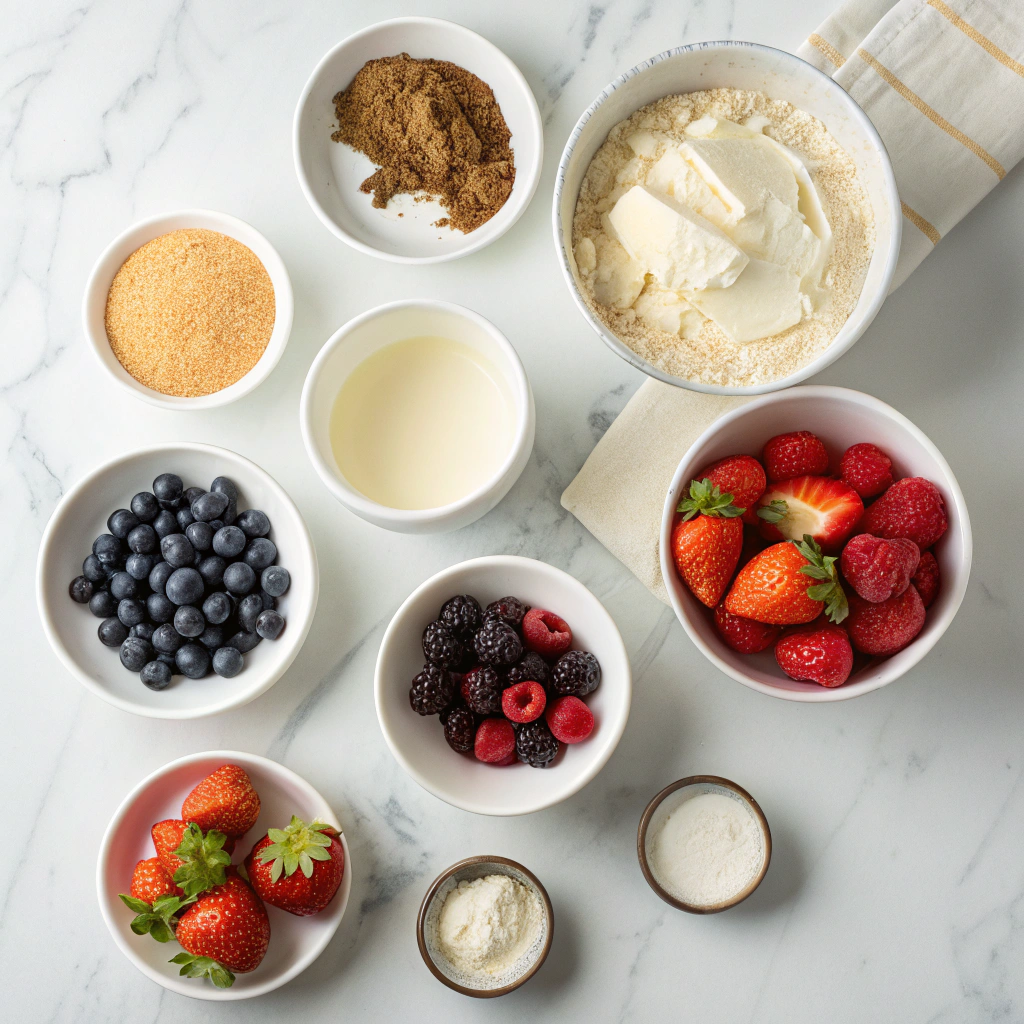
Cheesecake. Just the word evokes images of creamy indulgence, rich flavor, and perhaps a tiny pang of guilt. For many, this beloved dessert is a forbidden pleasure, laden with sugar, saturated fat, and calories. But what if you could enjoy that same luxurious experience without compromising your health goals? What if there was a way to truly indulge without the guilt? The good news is, there is! With a few clever ingredient swaps and smart baking techniques, you can transform this classic into a delightful, nutritious treat. Welcome to the world of the best healthy cheesecake recipe, where flavor meets wellness in perfect harmony.
Our journey begins with debunking the myth that healthy food must be bland or unsatisfying. This article will guide you through crafting a cheesecake that not only tastes incredible but also supports your well-being. We'll explore the secrets to reducing sugar and fat without sacrificing that signature creamy texture and tangy sweetness. Prepare to satisfy your cheesecake cravings in the most delicious and responsible way possible.
The Secret to a Truly Healthy Cheesecake Recipe
Traditional cheesecake recipes often call for large amounts of full-fat cream cheese, heavy cream, butter, and refined sugar. While undeniably delicious, these ingredients contribute to a high-calorie, high-fat, and high-sugar profile that can derail even the best intentions. The secret to a truly healthy cheesecake lies in intelligent substitutions and mindful preparation, making it a guilt-free dessert bliss.
Crust Alternatives: The Foundation of Health
The crust is often where a significant amount of unhealthy fats and sugars hide. Traditional graham cracker crusts, while tasty, are typically made with highly processed crackers, butter, and extra sugar. Here are some healthier alternatives that still deliver on taste and texture:
- Oat-Based Crust: Combine rolled oats (or oat flour), a touch of maple syrup or honey, and a minimal amount of coconut oil or unsweetened apple sauce. Oats provide fiber and a satisfying chew.
- Nut and Date Crust: Blend almonds, walnuts, or pecans with pitted dates and a pinch of salt. Dates offer natural sweetness and bind the crust without added butter, providing healthy fats and fiber.
- Whole Wheat or Sprouted Grain Crust: If you prefer a more traditional cracker taste, opt for whole wheat graham crackers or digestive biscuits, using less butter or a healthier alternative like a plant-based spread.
- Seed-Based Crust: For those with nut allergies or looking for a different nutritional profile, sunflower or pumpkin seeds can create a fantastic, nutrient-dense crust.
For an even lighter option, consider a "crustless" cheesecake or a fruit-based bottom layer using thinly sliced baked apples or pears.
Lightening the Filling: Creamy Goodness, Less Guilt
The filling is the heart of the cheesecake, and here's where the most significant health improvements can be made without compromising flavor:
- Cream Cheese Alternatives:
- Neufchâtel Cheese: This French-style cheese is naturally lower in fat than standard cream cheese, often by about one-third, with a similar tangy flavor and texture. It's an ideal direct swap.
- Low-Fat or Fat-Free Cream Cheese: While these can be used, be aware that they sometimes have a slightly different texture and may require minor adjustments to avoid a rubbery consistency.
- Greek Yogurt: Strained Greek yogurt is a fantastic addition, boosting protein content and providing a wonderful tang. You can replace a portion of the cream cheese with thick, full-fat Greek yogurt (drained to remove excess whey) for a lighter, protein-packed result.
- Cottage Cheese: When blended until smooth, cottage cheese can be an excellent low-fat, high-protein base for cheesecake, though its flavor is milder.
- Natural Sweeteners & Sugar Substitutes:
- Maple Syrup or Honey: Use these natural liquid sweeteners sparingly. They provide a rich flavor depth but are still caloric.
- Stevia or Erythritol Blends: For a truly low-calorie or sugar-free healthy cheesecake, sugar substitutes are your best friend. Choose high-quality blends that measure like sugar to ensure ease of use and good flavor.
- Fruit Purees: Incorporate unsweetened apple sauce, mashed banana, or fruit purees to add natural sweetness and moisture while reducing the need for added sugars.
- Binding & Flavor Agents: Eggs are crucial for structure. Use whole eggs and an extra yolk for richness if desired. Vanilla extract is essential, and a touch of lemon zest or juice can brighten the flavors beautifully.
Mastering Your Healthy Cheesecake Recipe: The Step-by-Step Guide
Ready to bake? Here's a general guide for creating your healthy cheesecake masterpiece. Remember, specific quantities will vary based on your chosen ingredients, but this framework provides a solid foundation.
Ingredients for Our Guilt-Free Masterpiece (Example)
This is an example list, demonstrating healthy choices. Adjust quantities based on your springform pan size (e.g., 9-inch).
- For the Crust:
- 1 ½ cups rolled oats (or whole wheat graham cracker crumbs)
- ¼ cup chopped walnuts or pecans (optional, for extra texture)
- 2 tablespoons coconut oil, melted (or unsweetened apple sauce)
- 1-2 tablespoons maple syrup or honey (optional, adjust to taste)
- ¼ teaspoon sea salt
- For the Filling:
- 24 oz (3 blocks) Neufchâtel cheese, softened
- 1 cup plain full-fat Greek yogurt, strained (or more Neufchâtel)
- ¾ cup erythritol blend (or ½ cup maple syrup/honey, adjust to desired sweetness)
- 3 large eggs, at room temperature
- 1 teaspoon pure vanilla extract
- 1 tablespoon lemon juice (optional, for brightness)
- 1 teaspoon lemon zest (optional)
- For Topping (Optional):
- Fresh berries (strawberries, blueberries, raspberries)
- Light fruit compote (made with minimal sweetener)
Baking Instructions: Achieving Perfection
- Prepare the Crust:
- Preheat oven to 350°F (175°C).
- Lightly grease a 9-inch springform pan.
- In a food processor, pulse oats (and nuts, if using) until finely ground. Add melted coconut oil, sweetener, and salt. Process until mixture resembles wet sand.
- Press the mixture evenly into the bottom of the prepared springform pan. For a firmer crust, bake for 8-10 minutes. Let cool.
- Reduce oven temperature to 325°F (160°C).
- Prepare the Filling:
- In a large bowl, using an electric mixer, beat the softened Neufchâtel cheese until smooth and creamy.
- Add the strained Greek yogurt and sweetener. Beat until well combined, scraping down the sides of the bowl as needed.
- Beat in the eggs one at a time, mixing just until incorporated after each addition. Do not overmix, as this can introduce too much air and cause cracks.
- Stir in the vanilla extract, lemon juice, and zest (if using).
- Bake the Cheesecake:
- Pour the filling over the cooled crust in the springform pan.
- Water Bath (Recommended for best results): Wrap the bottom of the springform pan tightly with heavy-duty aluminum foil to prevent water from seeping in. Place the pan inside a larger roasting pan. Carefully pour hot water into the roasting pan until it reaches halfway up the sides of the springform pan.
- Bake for 50-70 minutes, or until the edges are set, but the center still has a slight wobble when gently shaken.
- Turn off the oven, crack the door open slightly, and allow the cheesecake to cool in the oven for 1 hour. This slow cooling helps prevent cracks.
- Chill & Serve:
- Remove the cheesecake from the oven and water bath. Run a thin knife around the edge of the pan to loosen the cheesecake (this also helps prevent cracks).
- Allow it to cool completely on a wire rack at room temperature.
- Once completely cool, cover loosely and refrigerate for at least 6 hours, or preferably overnight, to allow it to fully set.
- Carefully remove the sides of the springform pan. Serve chilled, topped with fresh berries or a light fruit compote.
Tips & Tricks for Your Best Healthy Cheesecake Ever
Baking a cheesecake, even a healthy one, can feel intimidating. But with these tips, you'll achieve perfection every time.
Achieving That Perfect Texture
- Room Temperature Ingredients: Ensure all dairy ingredients and eggs are at room temperature. This helps them combine smoothly and evenly, preventing lumps and ensuring a creamy texture.
- Don't Overmix: Overmixing introduces too much air, which expands during baking and then collapses, leading to cracks. Mix just until ingredients are combined.
- The Water Bath is Your Friend: A water bath (bain-marie) provides a moist, even heat, preventing the cheesecake from drying out and cracking. It's a game-changer for creamy, crack-free results.
- Slow Cooling is Key: Sudden temperature changes are the enemy of cheesecake. Cooling slowly in the oven with the door ajar, then gradually on a counter, minimizes the risk of cracks.
Flavor Variations & Topping Ideas
Once you master the basic easy healthy cheesecake recipe, feel free to experiment with flavors:
- Lemon Zest & Juice: Adds a bright, refreshing kick.
- Berry Swirl: Swirl a sugar-free berry compote into the filling before baking.
- Chocolate Drizzle: A light drizzle of melted dark chocolate (70% or higher cocoa content) after chilling.
- Pumpkin Spice: Add pumpkin puree and pumpkin pie spice for a seasonal treat.
- Toppings: Fresh berries, thinly sliced kiwi, sugar-free fruit compotes, or a dollop of strained Greek yogurt mixed with a little vanilla extract and sweetener.
Making it Even Easier
Short on time or prefer a no-bake option? Many healthy cheesecake variations can be made without an oven. Explore recipes for no-bake cheesecakes using gelatin or agar-agar as a setting agent, often featuring a similar healthy ingredient profile for the crust and filling. These are often even quicker to prepare and just as delicious.
Nutritional Benefits of Choosing a Healthy Cheesecake
Opting for a healthy cheesecake isn't just about cutting calories; it's about enhancing the nutritional profile of your dessert. By making these smart swaps, you:
- Reduce Added Sugars: Significantly lowers your intake of refined sugars, helping to stabilize blood sugar levels and reduce the risk of sugar-related health issues.
- Lower Saturated Fat: Swapping full-fat cream cheese for Neufchâtel or incorporating Greek yogurt reduces unhealthy saturated fats, benefiting cardiovascular health.
- Increase Protein: Greek yogurt significantly boosts the protein content, making the dessert more satisfying and helping with satiety.
- Boost Fiber: Oat and nut-based crusts add dietary fiber, aiding digestion and promoting gut health.
- Enjoy Mindful Indulgence: You get to enjoy a delicious treat without the associated guilt, fostering a healthier relationship with food.
This healthy cheesecake recipe proves that you don't have to sacrifice flavor for wellness. It's a testament to the fact that with a little creativity and mindful ingredient choices, you can transform a classic indulgence into a dessert that truly nourishes both body and soul. So go ahead, preheat your oven, gather your ingredients, and prepare to be amazed by the richness, creaminess, and utter deliciousness of a cheesecake you can truly feel good about. Indulge without the guilt – your taste buds and your body will thank you!
